Understanding Tasseography Basics
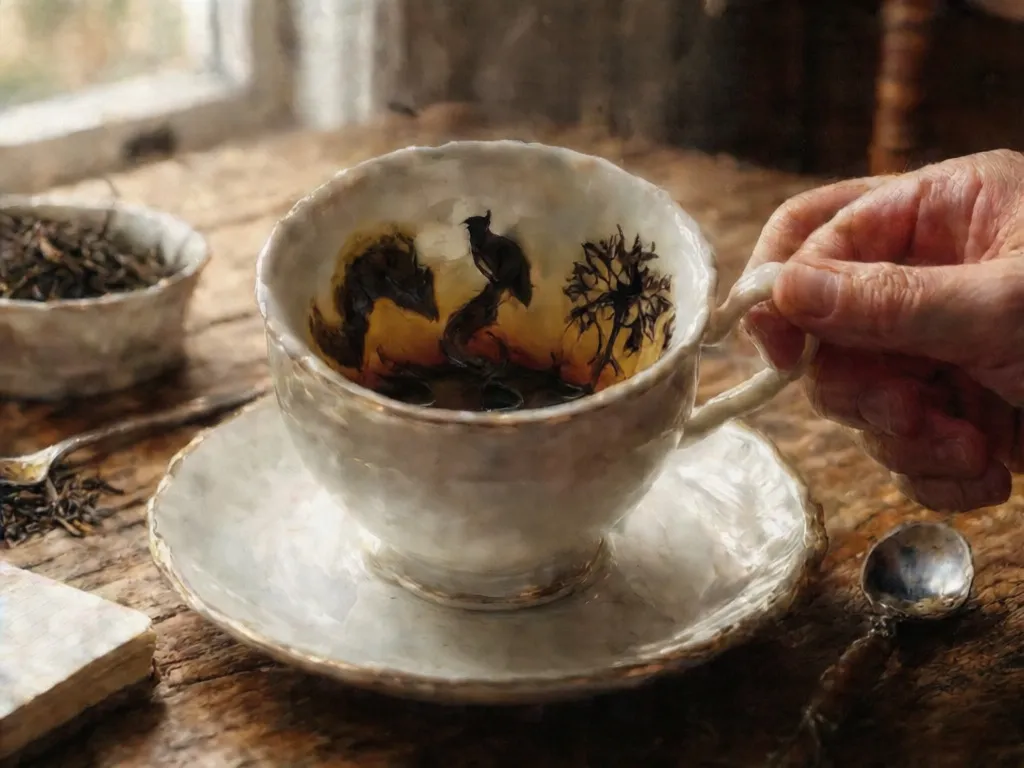
Tasseography, also called tea leaf reading, treats the pattern left by tea leaves as a visual language. Each swirl, line, or shape is seen as a fragment of a larger story that reflects a questioner’s current situation or future possibilities. The practice does not rely on supernatural forces; it works through focused observation, pattern recognition, and personal intuition.
History and Cultural Roots
The earliest recorded use of tea leaves for divination appears in Chinese texts from the Tang dynasty, where scholars noted that the shape of sediment could indicate auspicious or inauspicious outcomes. The method spread to the Middle East and later to Europe during the 17th century, where it became a popular pastime in aristocratic salons. Today, tasseography remains a living tradition in many cultures, often taught alongside other intuitive arts.
How a Cup Becomes a Mirror
When hot water is poured over loose tea leaves, the leaves expand, fold, and settle in patterns that depend on the cup’s shape, the water’s temperature, and the stirring motion. After the liquid is consumed, the remaining dry leaves cling to the interior walls. These remnants act as a spontaneous picture that the reader translates into meaning.
Core Symbols and Their Meanings
While each reader may develop personal nuances, a core set of symbols has emerged across traditions. Recognising these shapes provides a common foundation before deeper intuitive layering.
Common Shapes and Their Interpretation
Circular forms often suggest cycles, continuity, or emotional completeness. A closed circle can indicate a resolved situation, whereas an open circle may point to a pending decision. Straight lines that run vertically tend to represent growth, ambition, or a direct path, while horizontal lines can signal stability or a pause in movement. Triangular shapes frequently relate to conflict, change, or a point of focus that needs attention.
Animal Motifs
Animals appear frequently in the residue. A bird in flight is generally associated with freedom, messages, or travel. A snake may warn of hidden danger, transformation, or the need for careful negotiation. Domestic animals such as dogs often symbolize loyalty, companionship, or support from one’s community.
Human Figures and Objects
When a leaf arrangement resembles a human silhouette, the posture offers clues. An upright figure can signify confidence or an upcoming opportunity; a slumped figure may reveal exhaustion or a need for rest. Objects like keys suggest access, solutions, or new opportunities, while a broken piece of leaf resembling a chain can hint at restriction or a release of binding influences.
Practical Method for Conducting a Reading
To move from observation to interpretation, a consistent process helps keep the reading reliable.
Preparing the Cup and Environment
Choose a plain white or light‑coloured cup without decorative patterns, as a clear background makes leaf shapes easier to see. Clean the cup thoroughly to avoid residual oils that could alter leaf adhesion. Light a candle or incense if you wish to create a calm atmosphere, but keep the space free from strong smells that could distract your focus.
Formulating the Question
A focused question guides the mind and shapes the symbols you attend to. Phrase the query in the present tense and keep it specific, for example, “What step should I take in my career this month?” Avoid vague or overly broad questions, as they can lead to ambiguous interpretations.
Drinking and Observing the Residue
Steep the tea for three to five minutes, then sip slowly while maintaining awareness of the question. When the liquid is finished, gently tap the cup on a saucer to settle the leaves. Allow the cup to rest for a minute before turning it upside down on a cloth, letting excess leaves fall away. The remaining pattern on the interior walls is now ready for analysis.
Step by Step Interpretation Flow
Begin by noting the most prominent shape, whether it is a large figure, a dominant animal, or a striking geometric form. Record this first impression without trying to fit it into a predefined meaning. Next, scan the cup clockwise, observing secondary marks that support or modify the primary image. Consider the relative size of each symbol; larger symbols often carry more weight in the reading.
After cataloguing the symbols, reference the core meanings outlined earlier. Look for connections between the question and the symbols. For instance, if the primary image is a key and the question concerns a career move, the key may represent an opportunity to unlock a new position. Finally, synthesize the insights into a concise statement that addresses the original question, remembering to keep the language neutral and actionable.
Integrating Tasseography with Other Divination Tools
Many practitioners find value in using tea leaf reading alongside other methods, allowing each system to illuminate different aspects of a query.
Complementary Use with Tarot
After completing a tasseography session, you might draw a single tarot card to confirm or expand the insight. If the tea leaves reveal a bird in flight and the drawn card is the Ace of Swords, the combined message emphasizes swift mental clarity and the need to act on a new idea.
Aligning with Astrology
Considering the current lunar phase or planetary position can add depth. A reading performed during a waxing moon may emphasise growth symbols, while a reading under Mercury retrograde could highlight communication challenges reflected in the leaf pattern.
Common Pitfalls and How to Avoid Misreading
Even experienced readers can fall into traps that blur the clarity of a tasseography session. Awareness of these pitfalls helps maintain accuracy.
Over Interpretation
Seeing meaning in every tiny speck is a common mistake. Resist the urge to assign significance to random spots; focus on the shapes that stand out clearly and relate directly to the question.
Confirmation Bias
When you have a desired outcome in mind, you may unconsciously highlight symbols that support that view. To counteract this, note the first impression before consulting any reference material, then compare it objectively with the symbol guide.
Maintaining Consistency
Use the same type of cup, tea, and preparation method for each session. Variations in cup shape or tea grade can alter leaf behavior, making it harder to compare readings over time. Consistency builds a personal reference library that improves accuracy.
By following a disciplined approach, recognising core symbols, and staying aware of common errors, tea leaf reading becomes a reliable tool for personal insight and decision making.
Leave a Reply