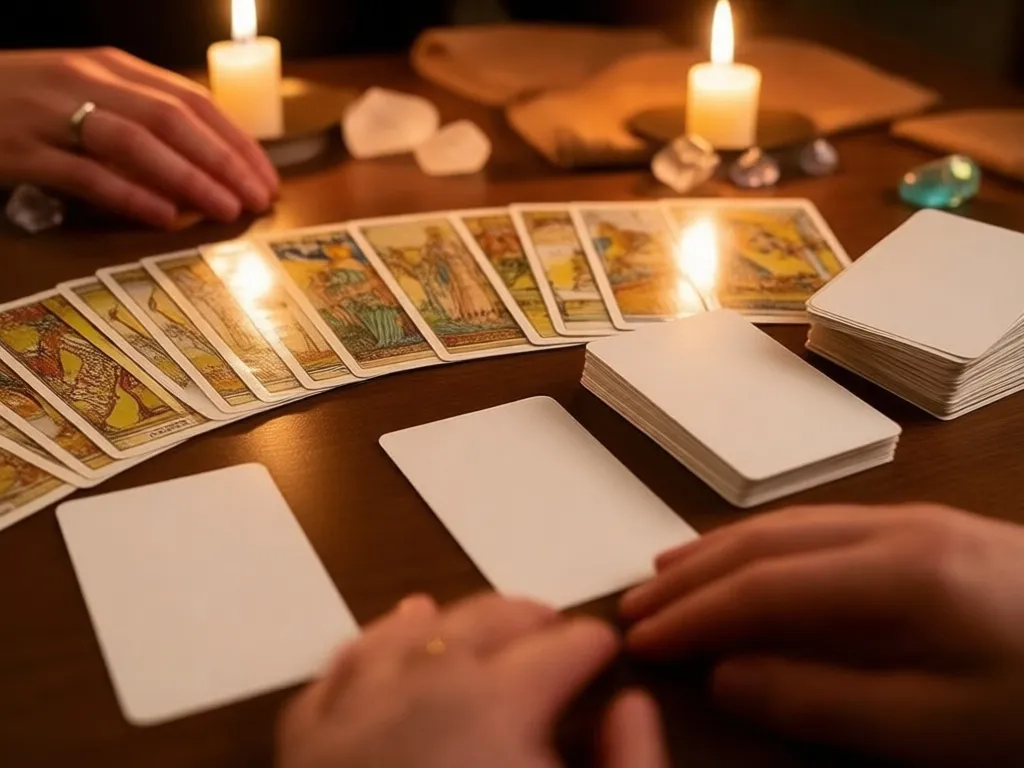
What Does a Reversed Tarot Card Represent
A reversed card appears when the card lands upside down in the shuffle. Traditionally it signals an alteration of the upright meaning. This shift can indicate blockage, inner reflection, delayed energy, or a subtle nuance that the upright image does not capture.
Common Themes in Reversed Interpretations
While each deck and reader may have a personal style, most reversed meanings fall into a handful of universal themes. Recognising these themes helps you keep the interpretation grounded.
Weakening or Delay
When a card’s energy feels slowed, the reversal often points to a delay in the situation. For example, the upright Wheel of Fortune suggests rapid change, while the reversed wheel may warn that the turn is postponed.
Inner Conflict
A reversal can bring the issue inside the mind rather than the outer world. The upright Sun radiates outward joy, whereas a reversed sun may reveal hidden doubts or a need for personal healing.
Misuse or Overextension
Some reversals highlight that a quality is being applied in an unhealthy way. The upright Emperor stands for structure and authority; reversed, it can suggest rigidity or abuse of power.
When Readers Choose Upright Only
Not every practitioner embraces reversals. Deciding to read only upright cards is a conscious choice that can simplify the spread and reduce ambiguity. Below are practical situations where an upright‑only approach works well.
Beginner Readers
New students of tarot often find reversals confusing. Sticking to upright cards allows them to focus on the core symbolism without adding another interpretive layer.
Quick Yes or No Queries
For binary questions, the extra nuance of a reversal may muddy a clear answer. An upright‑only layout keeps the response direct.
Clients Who Prefer Simplicity
Some querents feel overwhelmed by too many possible meanings. Offering an upright‑only reading respects their comfort level and builds trust.
How to Decide If You Should Use Reversals
Use the following step by step check to determine whether reversals add value to a particular reading.
- Assess your confidence with reversed symbolism. If you feel unsure, pause.
- Consider the question’s depth. Complex issues often benefit from the extra nuance.
- Ask the client about their preference. Their comfort can guide the choice.
- Reflect on the spread size. Large spreads may become cluttered with too many reversals.
- Test both approaches. Run a quick duplicate draw, one upright only and one with reversals, then compare the resonance.
If the majority of the steps point toward clarity, you may keep the reading upright only. If the extra layer feels purposeful, include reversals.
Practical Tips for Working with Reversals
When you decide to incorporate reversals, follow these habits to keep interpretations reliable.
- Write down the upright meaning first. Then note how the reversal modifies that theme.
- Stay consistent with your personal reversal dictionary. Changing definitions frequently creates confusion.
- Pay attention to the surrounding cards. A reversal often reacts to the energy of adjacent cards.
- Ground yourself before shuffling. A calm mind reduces random reversals caused by hurried handling.
These practices help ensure that reversals enhance, rather than complicate, the message.
Balancing Intuition and Structure
Tarot is both an art and a tool. While structured meanings give you a foundation, intuition fills in the details. Whether you use reversals or stick to upright cards, the key is to remain honest with the symbols and the querent.
By regularly reviewing your approach, seeking feedback, and recording the outcomes in a journal, you develop a personal system that honors both accuracy and depth.
Leave a Reply