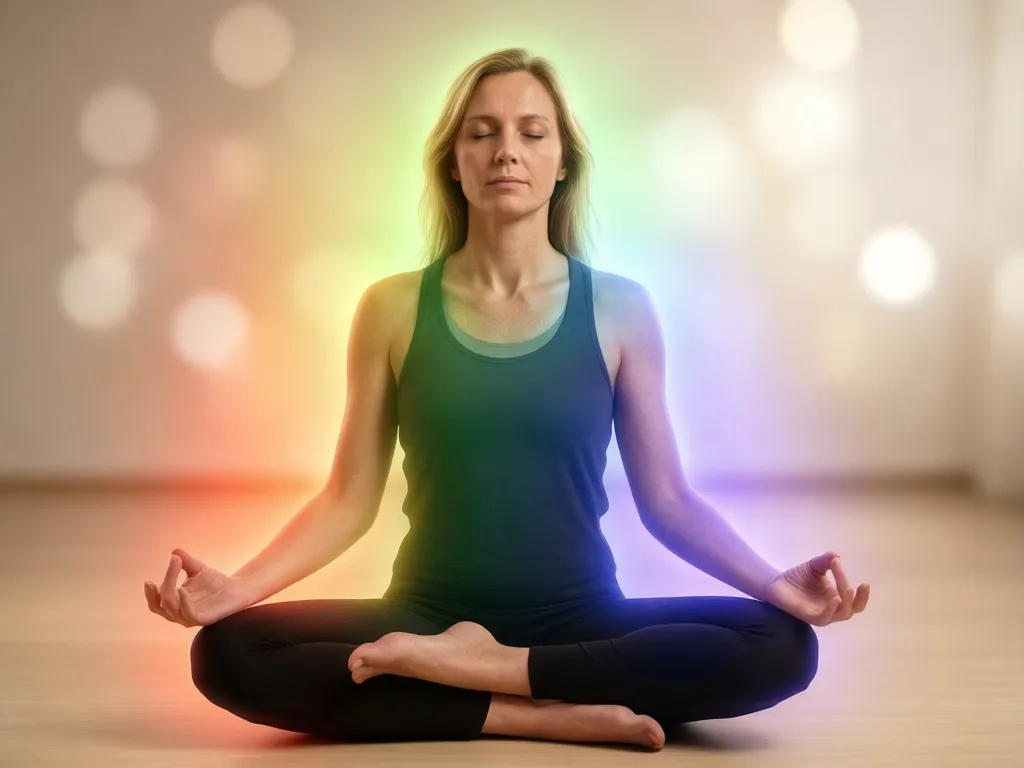
Understanding the Language of Aura Colors
The aura is described as an energetic field that surrounds every living being. While scientific consensus on its existence varies, many practitioners report consistent patterns in the colors they observe. These colors are not random; they act like a visual shorthand for emotional, mental, and spiritual states. Recognizing the basic palette gives you a reference point before you begin deeper observation.
Core Color Interpretations
Red often signals strong vitality, passion, or anger. When the aura glows bright crimson, the person may be experiencing heightened physical energy or intense emotions that need channeling.
Orange blends the drive of red with the creativity of yellow. It is linked to enthusiasm, sociability, and a desire for new experiences. A dominant orange aura suggests a person who is actively seeking inspiration.
Yellow corresponds to intellect, optimism, and clarity of thought. A clear yellow field usually appears when the mind is focused, when learning is taking place, or when confidence is high.
Green is the color of growth, healing, and compassion. It often surrounds those who are nurturing themselves or others, or who are in the process of emotional recovery.
Blue denotes calm, communication, and intuition. A steady blue aura indicates a person who is listening deeply, either to inner guidance or to others.
Indigo points to psychic sensitivity, spiritual insight, and inner truth. When indigo is present, the individual may be tuning into subtle energies or seeking deeper meaning.
Violet reflects spiritual connection, higher purpose, and transformation. A violet hue often appears during periods of personal evolution or when someone is working with higher‑dimensional practices.
White suggests purity, potential, and alignment with universal energies. A bright white aura can mean a person is in a state of balance or beginning a new spiritual chapter.
Factors That Influence Aura Variation
Colors rarely stay static. Several elements can shift the hue you perceive, making awareness of these influences essential for accurate reading.
Emotional State
Strong emotions create rapid changes in the aura. For example, sudden anger might flash a burst of red, while a sudden feeling of love may soften the field into pink or soft green.
Physical Health
Illness or recovery can affect color intensity. A fever might deepen red, whereas healing processes often introduce softer greens and blues.
Environment
Ambient lighting, surrounding colors, and even electromagnetic fields can subtly alter what you see. Practicing in a neutral, dimly lit space minimizes external distortion.
Spiritual Work
Regular meditation, energy work, or ritual can raise the overall vibrancy of the aura, making colors clearer and more layered.
Preparing to See an Aura
Before you attempt to read anyone’s aura, set a personal foundation that supports clear perception.
Create a Calm Space
Choose a room with soft natural light or a candle that does not dominate the visual field. Remove clutter that might distract your focus.
Ground and Center
Stand with your feet firmly on the floor, breathe deeply three times, and visualize a connection to the earth. This grounding reduces personal energetic noise.
Relax Your Eyes
Gently soften your gaze and let your eyes rest on a point about a foot beyond the person’s shoulder. The peripheral vision is more receptive to subtle color fields.
Step‑by‑Step Aura Reading Practice
Below is a practical routine you can repeat daily to build confidence.
Step One: Warm Up
Begin with a short meditation lasting two minutes, focusing on the breath and visualizing a clear, white light expanding from your heart.
Step Two: Observe a Neutral Object
Place a plain white sheet of paper on a table. Look at the paper while keeping your eyes relaxed. Notice any faint hues that appear around the edges. This exercise calibrates your eye to detect subtle colors.
Step Three: Scan a Person
Invite a friend to sit comfortably. Position yourself a short distance away, roughly three feet. Begin by looking at the area just above their head, then slowly move down the sides of the body without focusing directly on the skin. Observe any color impressions that arise. Record the dominant hue, any secondary shades, and any changes as the person speaks or shifts posture.
Step Four: Verify and Reflect
After the session, discuss the observed colors with your subject. Ask if the interpretations feel aligned with their current life circumstances. Use the feedback to refine future perception.
Step Five: Document Your Sessions
Maintain a dedicated journal. Note the date, location, lighting conditions, dominant colors, secondary tones, and any contextual information about the person’s mood or health. Over time patterns will emerge, strengthening your intuition.
Integrating Color Meaning Into Daily Life
Once you are comfortable reading auras, you can use the information to support personal growth or to guide others.
Personal Insight
If you notice a persistent red hue, consider channeling that energy through physical exercise or creative outlets. A recurring blue may invite you to explore meditation or communication practices.
Supportive Practices
Pair the aura color with color‑based meditation. For a green aura, visualize a forest and focus on heart‑center healing. For indigo, envision a deep night sky and invite intuitive messages.
Ethical Considerations
Always obtain consent before reading someone’s aura. Respect the privacy of the information you receive and avoid making definitive predictions based solely on color.
Common Challenges and How to Overcome Them
Beginners often encounter obstacles that can be addressed with patience and practice.
Seeing No Color
If the field appears blank, revisit your eye‑relaxation technique and ensure the lighting is appropriate. A brief rest of the eyes can also restore sensitivity.
Over‑Interpretation
Resist the urge to assign complex meanings to every hue. Start with the basic definitions and expand as you gain confidence.
Distractions From Personal Energy
Strong personal emotions can cloud perception. When you feel unsettled, pause the session, ground yourself, and return when you feel centered.
Expanding Your Aura Reading Toolkit
While sight alone is a powerful method, you can enhance accuracy with additional tools.
Crystal Assistance
Holding a clear quartz while scanning can amplify subtle energies, making colors more distinct.
Sound Support
Playing gentle ambient tones or binaural beats at a low volume can help quiet the mind, allowing the visual field to become clearer.
Energy‑Scanning Devices
Some practitioners use handheld EMF meters or Kirlian photography as a visual supplement. Treat these as adjuncts, not replacements for personal perception.
Continuing Education and Community
Learning aura reading is an ongoing journey. Engaging with a community of like‑minded practitioners provides feedback, fresh perspectives, and accountability.
Consider joining an online forum, attending a workshop, or reading contemporary guides that explore advanced techniques such as layered aura analysis and multi‑dimensional color interpretation.
Leave a Reply