Myth 1 Tarot is a tool of evil
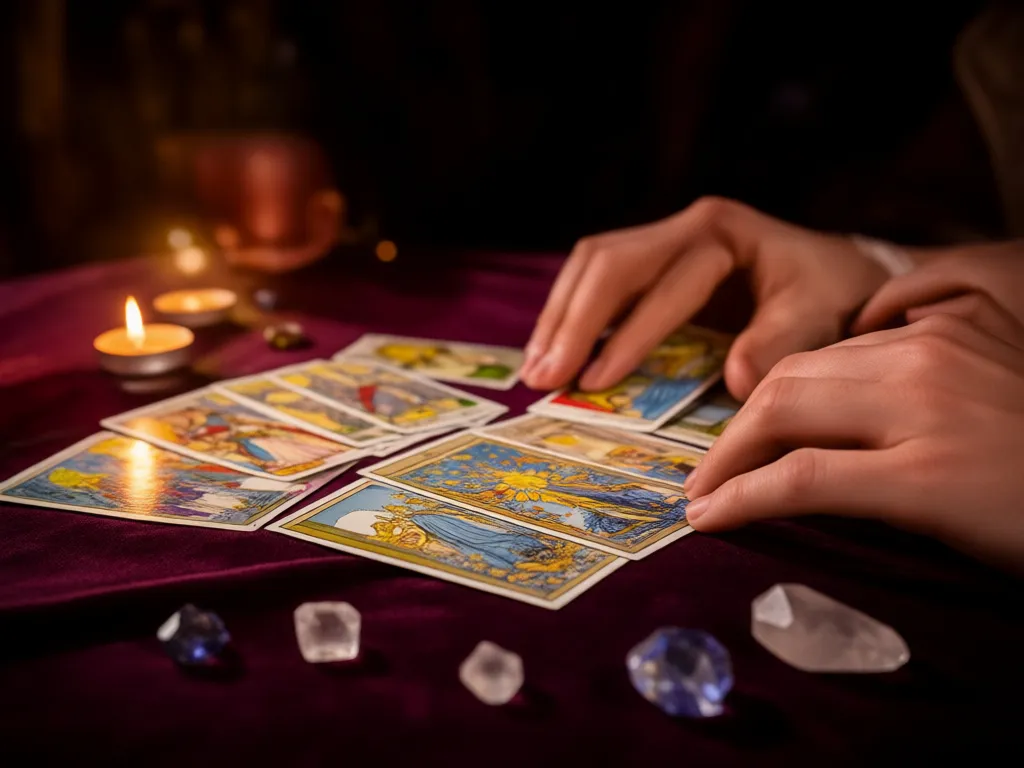
Many people associate tarot with occult danger because of sensational media portrayals. Historically the cards emerged in mid‑15th century Italy as a simple playing game. It was not until the eighteenth century that writers began attaching mystical meanings. The shift was cultural, not supernatural. A practical way to see this is to set up a reading for a friend who has no background in occult practice. Use a standard deck, ask a question about daily routine, and note that the session feels no different from a regular conversation. The experience demonstrates that the cards themselves carry no inherent malevolence; the intent of the reader creates the tone.
Myth 2 Tarot predicts a fixed future
The idea that a card determines an unchangeable outcome ignores the probabilistic nature of symbolism. Tarot provides a language for current influences, not a crystal ball. For example, a three‑of‑swords appearing in a spread about a relationship can indicate current emotional pain, not a destined breakup. By taking the insight and choosing a different action, the client can alter the trajectory. A case study shows a client who, after seeing the ten of swords, chose to seek counselling and subsequently reported improved well‑being, illustrating that the cards highlighted a pattern rather than sealed a fate.
Myth 3 You must be a psychic to read tarot
Professional tarot readers often claim innate psychic gifts, but research on intuition suggests that pattern recognition skills improve with practice. Anyone can develop the ability to interpret symbols by learning the archetypal meanings and applying personal context. A beginner can start by pulling a single card each morning and noting how the imagery relates to the day’s events. Over several weeks a clear correlation emerges, showing that disciplined observation replaces the need for supernatural talent.
Myth 4 Reversed cards are always negative
In many guidebooks reversed cards are presented as warnings, yet the original tarot tradition did not emphasize reversals. Modern readers added the concept to add nuance. A reversed king of cups, for instance, can signal blocked emotional expression rather than pure negativity. To test this, a practitioner can conduct two identical spreads, one reading only upright cards and one allowing reversals. Comparing the outcomes often reveals that the reversed interpretation adds depth without automatically creating a pessimistic reading.
Myth 5 The Rider Waite deck is the only correct deck
The Rider Waite-Smith imagery dominates Western tarot because of its early popularity, but dozens of historic decks predate it, each with distinct symbolism. The Marseille deck, for example, uses plain pip cards that focus attention on numbering rather than elaborate scenes. A reader who experiments with both decks on the same question may notice that the Marseille version encourages more internal reflection, while Rider Waite offers narrative cues. This practical comparison shows that no single deck holds exclusive authority.
Applying the Truths in Everyday Practice
When a misconception is cleared, the reading becomes a tool for insight rather than fear. Start each session by stating the purpose of the cards, whether it is to explore options, identify patterns, or simply meditate on a theme. Use a journal to record the cards, the interpretation, and any actions taken afterward. Over time the journal will reveal how the clarified myths have improved accuracy and confidence.
Leave a Reply