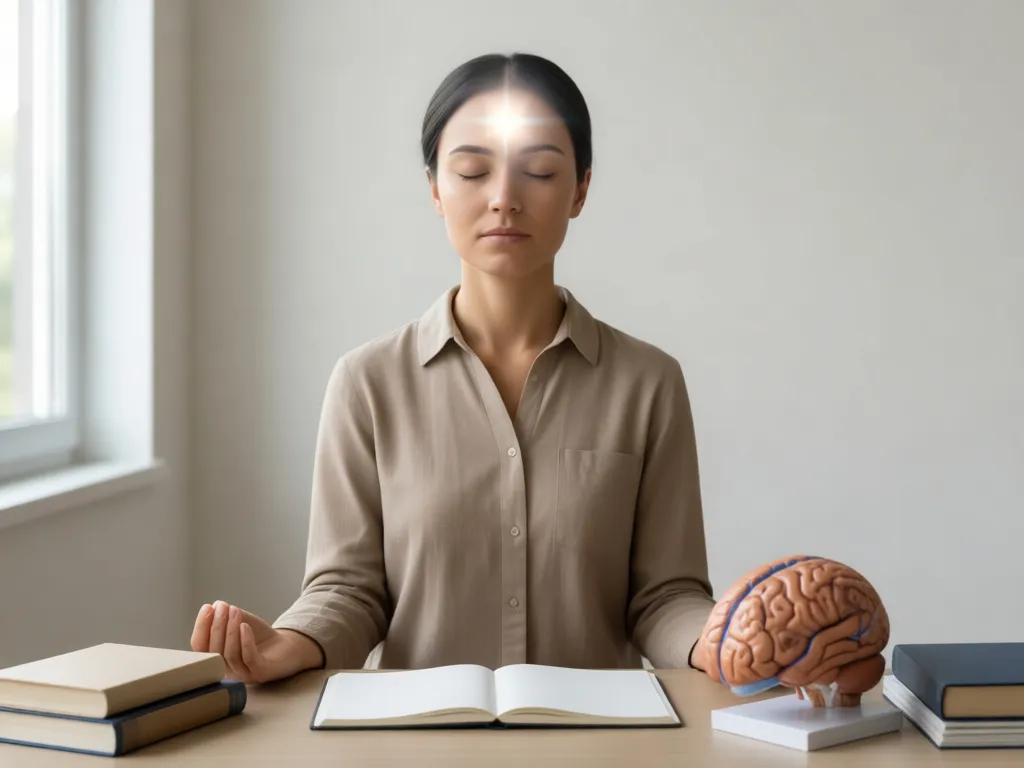
Understanding the Concept of the Third Eye
The term third eye often appears in spiritual literature as a symbol of inner vision, intuition and expanded awareness. In many traditions it is linked to the pineal gland, a small endocrine organ located near the center of the brain. Practitioners describe the third eye as a portal to subtle perception, allowing insight beyond ordinary senses. While the language is poetic, the underlying idea is that focused mental work can shift the quality of inner experience.
Historical Roots and Modern Interpretations
Ancient texts from India, Egypt and Greece reference a hidden eye that sees the unseen. In Hindu philosophy the ajna chakra, situated between the eyebrows, is described as the seat of intuition. Early alchemical writings associated the pineal gland with the “seat of the soul.” In contemporary New Age circles the third eye is often presented as a gateway to psychic abilities, astral travel or contact with higher dimensions.
Modern teachers sometimes blend these historic symbols with contemporary neuroscience, suggesting that meditation can activate the pineal gland and produce measurable changes in brain activity. This synthesis creates a fertile ground for both genuine curiosity and exaggerated claims.
Scientific Views on the Pineal Gland and Perception
From a biological standpoint the pineal gland produces melatonin, a hormone that regulates sleep‑wake cycles. Research shows that melatonin levels respond to light exposure, especially blue light, and that the gland is sensitive to the body’s circadian rhythm. Some studies have explored the gland’s role in seasonal mood changes, but there is no peer reviewed evidence that it generates psychic phenomena.
Neuroscientists have examined how meditation influences brain networks. Functional imaging demonstrates that focused attention can alter activity in the prefrontal cortex, the default mode network and regions involved in sensory integration. These changes are real and measurable, yet they reflect normal neuroplastic processes rather than the emergence of supernatural perception.
Because the pineal gland is deep within the brain, direct measurement of its activity in living humans is limited. Most claims about “third eye activation” rely on subjective reports rather than objective data. This does not invalidate personal experience, but it does mean that any extraordinary claim should be approached with healthy skepticism.
Common Myths About Activation
Many online sources present a checklist of steps that promise rapid opening of the third eye. Typical myths include:
Myth 1: Consuming specific herbs or supplements will instantly awaken the third eye. While some plants contain compounds that affect neurotransmitters, the safety and efficacy of such regimens are rarely studied. Unsupervised use can lead to adverse reactions, especially when combined with prescription medication.
Myth 2: Visualizing a bright light at the brow will cause a permanent physical change in the pineal gland. Visualization can influence mood and focus, but there is no evidence of structural alteration.
Myth 3: A single meditation session can grant clairvoyant abilities. Skill development in any mental practice requires consistent effort over time, and sudden breakthroughs are anecdotal at best.
These myths often ignore the importance of personal health, mental stability and ethical considerations.
Evidence Based Practices for Safe Exploration
For those interested in exploring inner vision, the following practices are grounded in research and carry minimal risk when performed responsibly.
1. Regular Mindful Meditation
Establish a daily routine of sitting quietly, focusing on the breath, and gently returning attention when the mind wanders. Studies show that even ten minutes a day can improve attention, reduce stress and promote neuroplastic change. Use a comfortable seat, keep the spine upright, and close the eyes to reduce visual distractions.
2. Light Management
Because the pineal gland responds to light, maintain a regular sleep schedule and limit exposure to bright screens before bedtime. Dim lighting in the evening supports natural melatonin production, which can improve sleep quality and overall well‑being.
3. Grounding and Body Awareness
Incorporate body scans or gentle yoga stretches before and after meditation. Grounding helps keep the nervous system balanced and reduces the risk of dissociation, a common side effect when intense focus is not anchored in the body.
4. Journaling Experiences
Write down any sensations, images or thoughts that arise during practice. This creates a record that can be reviewed for patterns, helps integrate insights, and provides a safety net if unsettling experiences occur.
5. Seek Guidance When Needed
If you have a history of mental health challenges, consult a qualified therapist or counselor before embarking on deep meditative work. Professional support can differentiate between spiritual experiences and symptoms that may require clinical attention.
Warning Signs and When to Pause
Even well‑intentioned practices can produce uncomfortable effects. Pay attention to the following signals and consider pausing or seeking help:
Emotional Instability: Sudden mood swings, heightened anxiety or persistent sadness that interferes with daily life.
Physical Discomfort: Persistent headaches, dizziness, or visual disturbances that do not resolve with rest.
Detachment from Reality: Feeling disconnected from the body, experiencing vivid hallucinations, or losing track of time consistently.
Obsessive Preoccupation: An overwhelming need to achieve a “third eye opening” that dominates thoughts and activities.
If any of these arise, reduce the intensity of practice, increase grounding activities, and consider professional guidance.
Integrating Practices with Everyday Life
Safe exploration does not require isolation. Incorporate brief moments of mindful breathing during work breaks, practice gratitude in daily interactions, and use natural light to support circadian health. By weaving subtle awareness into routine, the benefits of meditation extend beyond the meditation cushion without demanding extreme rituals.
Remember that the journey toward inner clarity is personal and gradual. Respecting the body’s limits, grounding experiences in reality, and maintaining a balanced lifestyle are the most reliable ways to nurture any subtle perception you may develop.
Leave a Reply