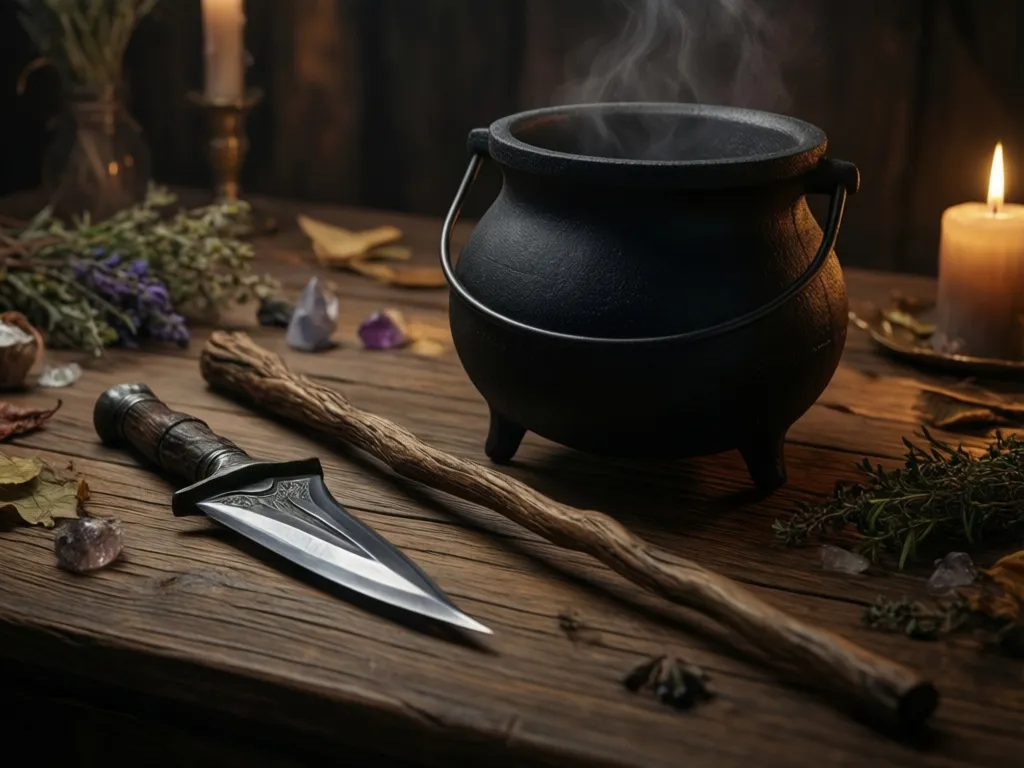
Understanding the Athame
The athame is a ritual blade that most witches keep on the altar as a symbol of intent and authority. Unlike a kitchen knife, it is not used for cutting physical objects; its purpose is to direct and shape energy. The blade is traditionally double edged and points upward, representing the upward flow of will. In many paths the athame is paired with a black or red cloth to mark the sacred space before a rite.
Material Choices
Historically athames have been forged from iron, steel or bronze. Modern practitioners often prefer stainless steel for its durability and resistance to corrosion. Some choose copper or silver to align with planetary correspondences – copper for Venus, silver for the Moon.
Selecting an Athame
When selecting a blade, consider the length that feels comfortable in the hand; most athames range from six to twelve inches. The weight should allow a smooth, controlled motion without strain. The handle can be wrapped in leather, wood or a synthetic grip; each material carries its own symbolic resonance.
Ritual Uses
Common uses include drawing the perimeter of a circle, invoking the elements, and cutting energetic cords. The athame also plays a role in spellcasting when it is used to carve sigils into candles or parchment, always remembering that the physical cut mirrors an energetic intention.
Care and Consecration
After each session the blade should be wiped clean with a cloth slightly dampened with salt water or a herbal infusion. Many witches consecrate the athame by passing it through incense smoke and stating a dedication phrase. Storing the athame in a protective sheath or a dedicated pouch keeps its energy contained between workings.
The Witch’s Wand
The wand is the counterpart to the athame, focusing on the flow of energy rather than its division. It is a tool of drawing, shaping and directing power, often used to channel intent into the elements or into a spell jar.
Choosing the Wood
Each type of wood carries an intrinsic vibration. Oak is linked to stability and protection, ash to movement and communication, and ash and birch are popular for their flexible energy. When selecting a wand, hold several pieces and notice which wood feels warm or resonates with your purpose.
Length and Shape
Wands typically measure between twelve and twenty inches. A longer wand can reach a larger area of space, while a shorter wand offers precision for close work. Some wands are tapered to a point, others end in a rounded tip; the shape influences how the energy is released.
Consecrating the Wand
A common method involves placing the wand in a bowl of moon water overnight, then anointing it with an essential oil that matches the intended element – for example rosemary for air or cedar for earth. Reciting a personal dedication solidifies the connection between practitioner and tool.
Practical Applications
Typical uses include tracing sigils in the air, stirring the contents of a cauldron, and directing the flow of a spell toward a specific target. In group rituals the wand can be passed from one participant to another, symbolizing the sharing of power.
Cauldrons: From Hearth to Altar
The cauldron is perhaps the most iconic symbol of witchcraft, representing the womb of the Earth and the vessel of transformation. While its image appears in myth and folklore, its practical use in modern practice is both symbolic and functional.
Historical Background
Ancient cultures used large pots for cooking, brewing and ritual purification. In Celtic tradition the cauldron was a source of rebirth and prophecy. Contemporary witches borrow this heritage to create a focal point for manifestation, scrying and elemental work.
Material Options
Cast iron is valued for its sturdy, grounding nature and its ability to retain heat. Copper conducts energy quickly and shines with a reflective surface that enhances lunar work. Tin is lightweight and associated with flexibility, making it a good choice for portable rituals. The finish can be polished for a reflective surface or left matte for a more rustic feel.
Size and Shape
Small cauldrons, the size of a large coffee mug, are convenient for kitchen countertops and single‑person work. Medium sizes, holding one to three litres, suit tabletop rituals that involve herbs, oils or water. Large cauldrons, exceeding five litres, are ideal for group ceremonies or for boiling herbal brews that feed many participants.
Ritual Functions
The cauldron can serve as a fire pit for burning incense, a basin for charging water, or a vessel for brewing herbal infusions that are later used in spells. It is also employed in scrying; by filling it with a clear liquid and gazing into its surface the practitioner seeks visual guidance.
Maintenance
After each use the cauldron should be emptied, rinsed with warm water and wiped dry. For metal cauldrons a thin coat of oil prevents rust. Periodic consecration, such as placing the cauldron on a bed of salt and letting the moonlight cleanse it, keeps the vessel energetically pure.
Integrating the Tools in a Simple Ritual
Below is a concise sequence that demonstrates how the athame, wand and cauldron can work together in a grounding and intention‑setting rite.
- Clear the ritual space by sweeping away clutter and lighting a single white candle.
- Use the athame to draw a circle on the floor, visualising the line as a protective barrier.
- Place the cauldron at the centre of the circle and fill it with water.
- Take the wand and stir the water clockwise three times while speaking the personal intention aloud.
- Raise the athame and point it toward the cauldron, visualising the energy from the blade merging with the water, thereby sealing the intention.
- Allow the water to sit for a few minutes, then drink a small portion or sprinkle it on a plant as an offering.
- Close the circle by thanking the elements and gently laying the athame and wand back on the altar.
This pattern can be adapted by changing the element in the cauldron (using oil instead of water) or by extending the stirring with the wand to incorporate additional colors of candle flame.
Practical Tips for Maintaining Your Magical Kit
Keeping the athame, wand and cauldron in optimal condition supports consistent spellwork. Store each tool in a dedicated pouch or on a raised shelf to avoid accidental contact. Periodically review the condition of the wood, metal and seals; replace any item that shows signs of deep wear or damage. Regularly re‑consecrate the tools, especially after a major lunar phase or after a particularly intense ritual, to refresh their energetic imprint.
Remember that the true power of these tools lies in the intention behind their use. Selecting quality materials, respecting their symbolism and caring for them with mindfulness creates a feedback loop where the practitioner feels more confident and the work becomes more effective.
Leave a Reply