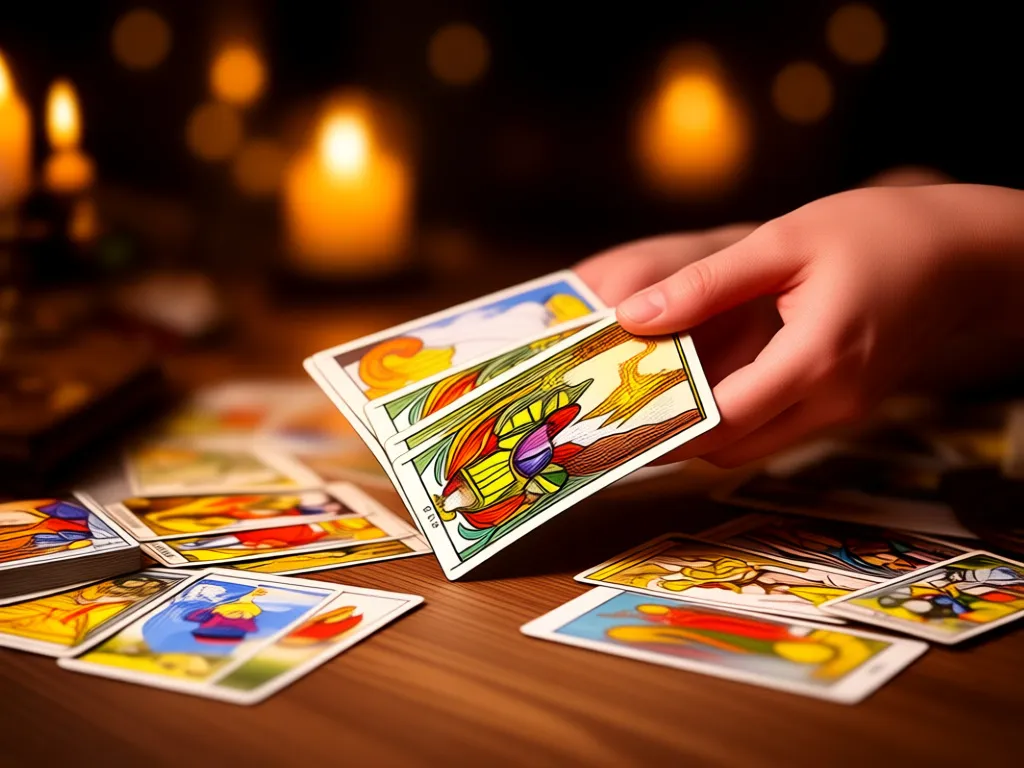
Understanding the Link Between Tarot Images and Psychic Vision
Tarot cards are rich visual symbols that act as mirrors for the mind. When you allow a card’s artwork to linger, the subconscious can translate the imagery into inner pictures that feel like a glimpse beyond ordinary perception. This natural connection makes tarot a useful scaffold for building clairvoyant skill.
Creating a Consistent Practice Space
Choose a quiet corner where you can sit undisturbed for at least fifteen minutes each day. Clear the area of clutter, dim the lights, and place a single candle or a small crystal that resonates with your intention. The regularity of the environment trains the mind to enter a receptive state more quickly.
Daily Visualisation Routine Using One Card
Pick a single card that you feel drawn to – perhaps the High Priestess for inner knowing or the Moon for subconscious imagery. Hold the card, study each detail, then close your eyes and recreate the picture in your mind’s eye. Spend a few breaths expanding the scene, adding colors, sounds, or textures that were not on the card. This exercise trains the brain to generate clear mental images, a core component of clairvoyance.
Layered Meditation with Tarot Symbols
After your visualisation, transition into a short meditation. Focus on the central symbol of the card and breathe in sync with the imagined scene. As thoughts arise, note whether any images appear without your deliberate effort. Record any spontaneous pictures in a journal; over time you will notice patterns that indicate growing psychic sensitivity.
Using Small Spreads as Psychic Warm‑Ups
Before a full reading, lay three cards in a simple past‑present‑future layout. Rather than interpreting the meanings immediately, let each card sit in your awareness for a minute. Observe any inner pictures, sensations, or words that surface. Write them down before consulting the traditional meanings. This habit encourages the mind to trust its first impressions, a key step in developing clairvoyant confidence.
Integrating Journaling for Pattern Recognition
Maintain a dedicated notebook for every tarot session. Include the date, the cards drawn, any visual flashes, feelings, or words that emerged, and the eventual interpreted meaning. After a month, review the entries to spot recurring symbols or themes. Recognising these patterns reinforces the link between psychic images and tarot archetypes.
Grounding and Energy Hygiene
Each session should end with a brief grounding practice. Visualise roots extending from your feet into the earth, or simply sip a glass of water while feeling the sensation of the liquid moving through your body. Grounding prevents psychic overload and keeps the mind clear for future practice.
Timing Your Practice with Natural Cycles
Many practitioners find that working with the moon’s phases enhances intuitive flow. The waxing moon is traditionally associated with growth and receptivity, making it an ideal time for visualisation exercises. The waning moon supports release and can be used for clearing excess mental noise before a new session.
Combining Tarot with Other Senses
Occasionally introduce scent or sound to deepen the experience. Light a sandalwood incense while focusing on the Temperance card, or play soft harp music during a meditation on the Star. Multisensory input can amplify the brain’s capacity to hold vivid images.
Patience as a Core Principle
Clairvoyant ability does not appear instantly. Treat each practice session as a small step, and avoid judging the clarity of images against an imagined standard. Over time, the mind becomes accustomed to receiving and trusting inner visions, and the images will naturally become sharper.
Leave a Reply