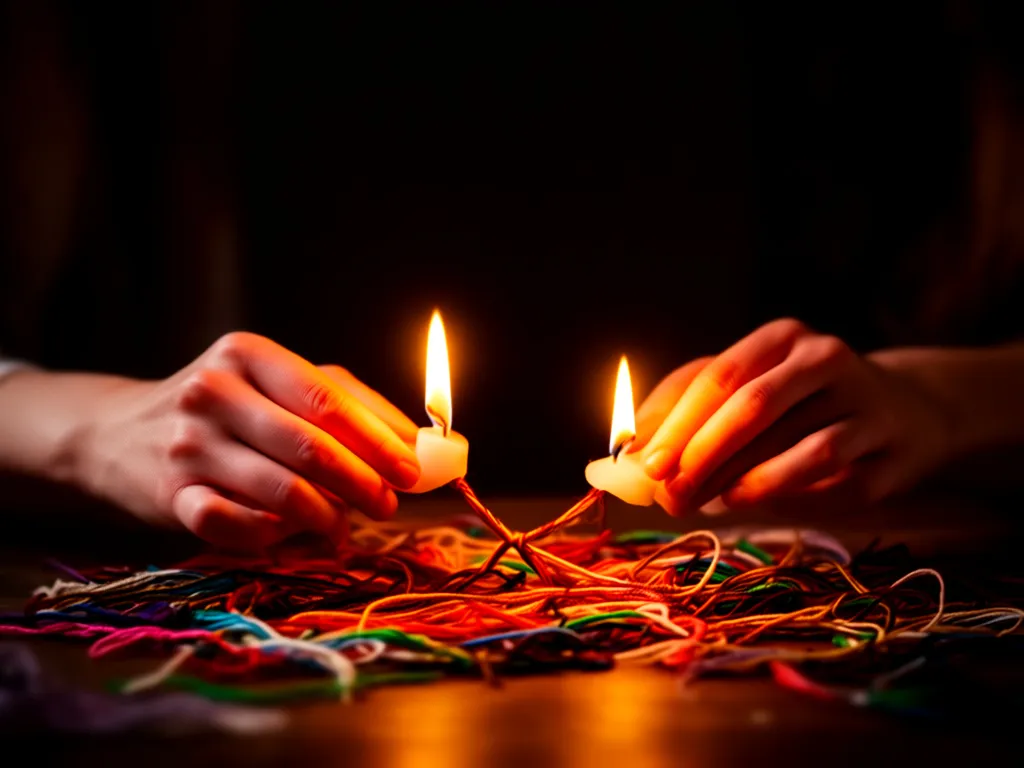
What a Cord Cutting Ritual Represents
In many spiritual traditions the idea of an invisible cord links a person to another being, a habit, or a pattern that no longer serves growth. Cutting that cord is a symbolic act of freeing oneself from attachment, allowing personal energy to flow without obstruction. The ritual does not claim magical removal of all influence, but rather acknowledges the end of a contract and creates a mental space for new intentions.
Historical Roots
Stories of cord severing appear in folklore ranging from ancient Greek myths where Persephone cuts the ties that bind her to the underworld, to shamanic practices in South America that use a sharp blade to release a spirit attachment. Modern practitioners adapt these archetypes into a personal ceremony that honors the past while addressing a present need.
Psychological Perspective
From a psychological viewpoint the visual of a cord provides a concrete image for an abstract process. When a person visualizes the cord weakening and snapping, the brain registers a sense of completion. This can reduce rumination and support the transition from grief or habit to renewal.
Typical Steps in a Cord Cutting Ceremony
Preparation and Grounding
Begin by choosing a quiet space where interruptions are unlikely. Clean the area with a simple smudge of sage or a breath of fresh air. Sit comfortably, close the eyes, and take several slow breaths, feeling the body settle into the present moment. This grounding creates a stable platform for the work that follows.
Setting the Intent
Write a short statement on a piece of paper that names the relationship or pattern you wish to release. Phrase it in the present tense, for example, “I release the emotional attachment to ___”. Hold the paper in both hands and allow the intention to settle in the mind.
Choosing a Symbolic Tool
Many use a pair of scissors, a small knife, or a ceremonial sword. The tool should feel safe and appropriate for the practitioner. If a physical blade feels too aggressive, a pair of wooden sticks can represent the cutting action.
Visualization of the Cord
Imagine a thin, luminous line extending from your heart to the target of the release. See its color, texture, and length. Notice any tension it creates. Allow the image to stay steady while you prepare to sever it.
The Cutting Action
Place the tip of the chosen tool at the imagined point where the cord meets your body. In one confident motion, cut through the cord while speaking the written intention aloud. Speak slowly, letting each word land with purpose.
Closing the Space
After the cut, thank any spiritual guides or ancestors you invited at the start. Extinguish candles or incense if you used them, and dispose of the paper by burning or burying it, symbolizing the final release.
Aftercare Practices for Emotional Balance
The work does not end when the cord is cut. The mind may still cling to familiar patterns, and the body can experience a subtle sense of loss. Gentle aftercare supports the transition and helps integrate the new freedom.
Grounding and Centering
Spend a few minutes walking barefoot on earth, feeling each step connect you to the ground. Visualize roots growing from the soles of your feet, anchoring you firmly. This practice stabilizes any excess energy released during the ceremony.
Journaling the Experience
Write about the sensations, thoughts, and emotions that arose during the ritual. Note any insights that surfaced. Journaling reinforces the mental shift and creates a record you can revisit if doubts reappear.
Self Care Activities
Engage in activities that nurture the body and mind. Warm baths, gentle yoga, or listening to calming music all provide soothing background while the mind settles. Avoid making major decisions for at least twenty‑four hours, giving the new perspective time to settle.
Seeking Support
If the release stirs intense feelings, consider sharing with a trusted friend, counselor, or spiritual mentor. Speaking aloud can prevent the energy from bottling up and turning into anxiety.
Future Rituals
Periodically revisit the intention by lighting a small candle and reaffirming the cut. This reinforces the boundary and reminds the subconscious that the attachment has been addressed.
By honoring each phase—preparation, intention, cutting, and aftercare—practitioners create a complete loop that respects both the symbolic power of the ritual and the practical needs of the psyche.
Leave a Reply