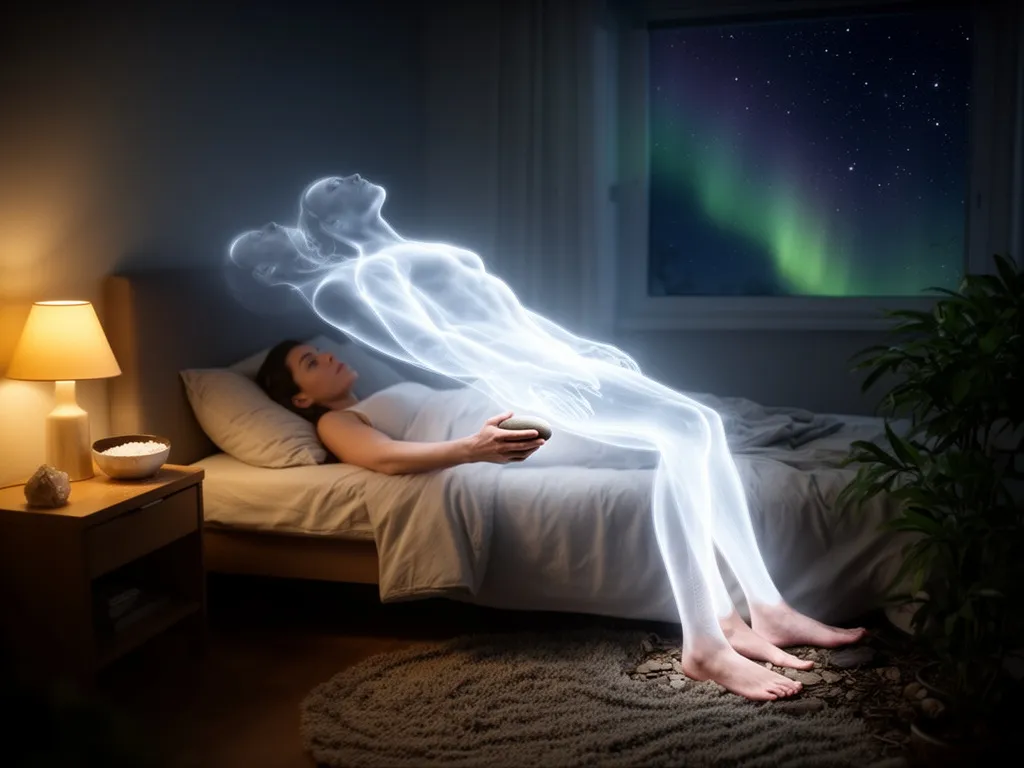
A clear picture of astral projection
Astral projection is the practice of intentionally separating the consciousness from the physical body and travelling in a subtle realm often described as the astral plane. Practitioners report a sense of floating, a vivid visual field and the ability to move beyond ordinary sensory limits. While personal accounts vary, the core idea remains the same: the mind or spirit creates a temporary vehicle that can explore locations beyond the material world.
Separating fact from folklore
Many ideas about astral travel have been handed down through occult literature, online forums and popular media. Some of these ideas are rooted in genuine experiences, while others are embellishments that can mislead newcomers.
Myth 1: Astral projection is a supernatural power that can be summoned at will. In reality, most reports describe a gradual process that requires relaxation, focused intention and often a period of practice.
Myth 2: The body is left defenseless and vulnerable during the journey. While the experience can feel disembodied, the physical body continues to breathe and maintain its basic functions. The mind simply adopts a different perspective.
Myth 3: Everyone will see the same places and beings. The astral environment is highly personal; visual symbols often reflect the traveller’s memories, emotions and cultural background.
Myth 4: Astral projection can be used to harm others. Ethical traditions within the practice emphasise respect for personal boundaries and the principle that intent shapes the experience.
Why safety matters
Even though the practice does not involve physical danger, emotional and psychological safety are paramount. An intense out of body experience can stir unresolved feelings, create a sense of disorientation or trigger anxiety if the practitioner is not prepared.
Key safety guidelines include establishing a clear intention before each session, setting a time limit, and creating a calm environment free from interruptions. It is also advisable to keep a journal to track sensations, emotions and any unexpected imagery that arises.
Grounding after an astral journey
Grounding is the process of reconnecting the consciousness to the physical body and the immediate surroundings. Without proper grounding, some people report lingering feelings of unreality or difficulty focusing on daily tasks.
A simple grounding routine can be performed immediately after the session. Begin by taking several deep breaths, feeling the contact of your feet with the floor, and consciously visualising a flow of energy moving from the crown of the head down through the spine to the base of the spine. Imagine that energy anchoring you to the earth, stabilising the aura and restoring a sense of presence.
Physical activities such as gentle stretching, drinking a glass of water or walking barefoot on natural ground can reinforce the grounding effect. Light exposure, especially natural sunlight, also helps the brain readjust to ordinary sensory input.
Step by step approach for a safe practice
1. Prepare the space Choose a quiet room, dim the lights and eliminate electronic distractions. A comfortable seat or lying position supports deep relaxation.
2. Relax the body Use progressive muscle relaxation, starting at the toes and moving upward, to release tension. A calm body provides a stable platform for the mind to shift.
3. Set a clear intention State aloud or mentally what you hope to explore, such as “I wish to observe the astral landscape calmly.” A focused intention guides the experience and reduces the chance of unwanted drift.
4. Visualise the exit point Imagine a rope, a beam of light or a doorway extending from the centre of your chest. Picture yourself moving through it while maintaining a sense of safety.
5. Monitor sensations If you feel a sudden surge of fear, anxiety or physical discomfort, gently return your attention to the breath and repeat the grounding visualisation.
6. Return and ground When you decide to end the session, visualise the connection closing and feel your awareness flowing back into the body. Follow the grounding routine described above.
Answering the most common questions
People often wonder whether astral projection is a proven phenomenon. Scientific research has not produced definitive evidence, but many individuals report consistent subjective experiences that align with established meditation and altered state literature.
Another frequent question is how to distinguish an astral journey from a vivid dream. While both involve visual imagery, astral projection usually occurs while the body remains still and the mind retains a sense of wakefulness, whereas dreaming happens during rapid eye movement sleep and often includes narrative logic.
Those concerned about negative entities can adopt protective visualisations such as surrounding themselves with bright white light or invoking a personal guardian figure. These practices are optional but can increase confidence for beginners.
Integrating astral work into everyday life
Consistent practice can enhance self‑awareness, improve meditation depth and provide fresh perspectives on personal challenges. However, it should complement, not replace, conventional self‑care. Balance astral sessions with regular physical exercise, adequate sleep and social interaction.
When you feel ready, explore gentle variations such as guided visualisations that focus on travelling to familiar places, or short “micro” projections lasting only a few minutes. These incremental steps build confidence without overwhelming the mind.
Leave a Reply