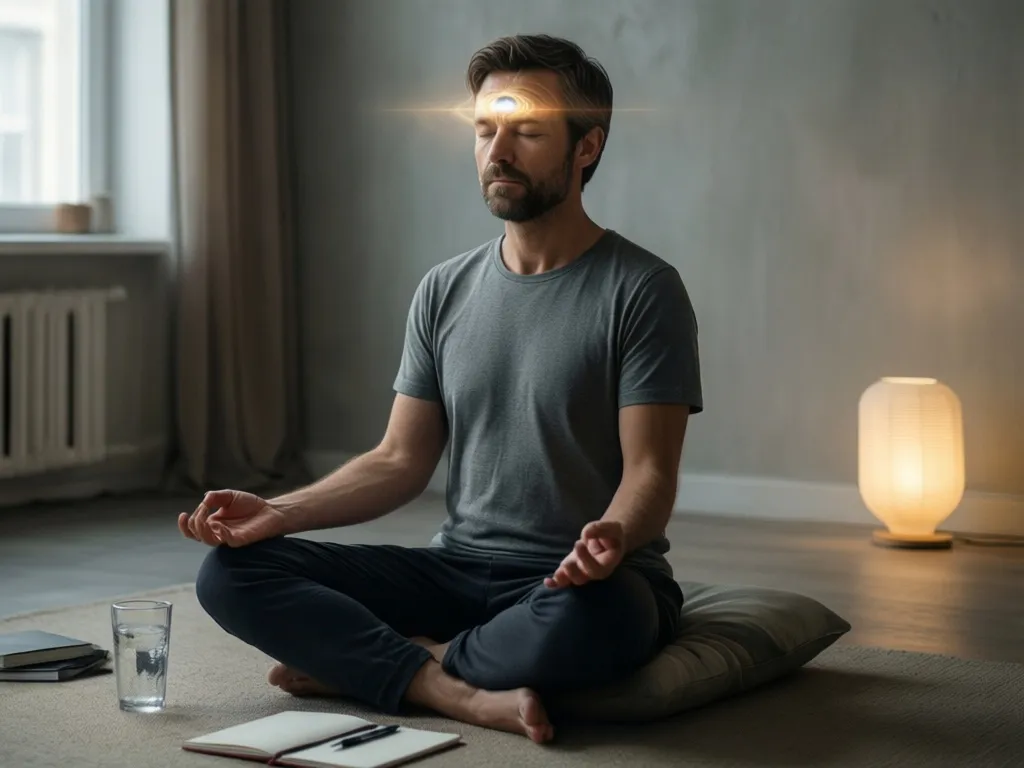
Understanding Common Myths About Third Eye Activation
Stories about the third eye often suggest that it grants supernatural sight, instant enlightenment, or psychic powers. These ideas appear in many online articles and videos, yet none are supported by peer‑reviewed research. The third eye is a metaphor for a region of the brain called the pineal gland, which regulates sleep cycles through melatonin production. No credible study has shown that meditation or visualisation can alter perception beyond normal sensory limits.
Myth 1: Immediate Psychic Ability
Many claim that a single session of “third eye opening” unlocks clairvoyance. The reality is that experiences described as psychic are usually the result of heightened intuition, pattern recognition, or suggestion. Scientific literature on perception does not recognise a separate organ that provides extra‑sensory data.
Myth 2: Permanent Physical Changes
Some sources describe visible changes to the forehead or pupil after activation. Dermatological and ophthalmological records do not document such alterations. Any reported changes are typically temporary skin irritation from practices like applying herbs or essential oils.
Myth 3: Shortcut to Spiritual Enlightenment
Enlightenment is a complex, long‑term process in most spiritual traditions. It involves sustained ethical conduct, study, and meditation, not a single technique. Scholars of religious studies note that the notion of a quick fix conflicts with historic teachings.
Safe Practices for Experiencing the Third Eye Symbolically
While the myths are unfounded, the practice of focused meditation can still be beneficial for relaxation and self‑awareness. Below are steps that respect both mental health and physical safety.
Choose a Grounded Setting
Find a quiet, well‑ventilated room where you can sit comfortably for at least fifteen minutes. Avoid spaces that feel overly mystical or that contain strong scents that could trigger allergic reactions.
Use Proven Breathing Techniques
Techniques such as diaphragmatic breathing and the 4‑7‑8 method have been shown in clinical studies to reduce stress. Count slowly to four while inhaling, hold for seven, then exhale for eight. This rhythm helps regulate the autonomic nervous system without any special equipment.
Visualise a Neutral Symbol
Instead of focusing on a glowing eye, imagine a simple shape such as a circle or a light point at the centre of your forehead. The visualisation should be gentle and not involve intense brightness, which can cause eye strain.
Maintain Physical Comfort
Keep your spine upright but relaxed. Use a cushion or chair that supports your lower back. If you notice any discomfort, pause and adjust your posture before continuing.
Limit Session Length
Beginners should start with ten to fifteen minutes and gradually increase time as comfort grows. Over‑extending can lead to mental fatigue and reduced concentration.
Important Warnings and Red Flags
Even a harmless meditation routine can become problematic when combined with unverified supplements, extreme fasting, or isolation. Pay close attention to the following signals.
Physical Reactions
If you experience headaches, dizziness, vision changes, or nausea, stop the practice immediately and consult a healthcare professional. Such symptoms may indicate low blood sugar, dehydration, or an underlying condition unrelated to meditation.
Mental Health Concerns
Intense inner focus can sometimes surface suppressed emotions. If you notice persistent anxiety, intrusive thoughts, or mood swings, it is advisable to seek guidance from a licensed therapist. Mental health experts caution against using meditation as a sole coping mechanism for serious conditions.
Use of Unverified Substances
Some guides recommend consuming herbs, essential oils, or powders to “activate” the third eye. Most of these substances lack safety testing and may cause allergic reactions or interact with medications. The U.S. Food and Drug Administration advises against ingesting products without clear labeling and clinical evidence.
Social Isolation
Spending long periods alone in meditation can lead to feelings of detachment from daily responsibilities. Balance any practice with regular social interaction, work, and physical activity.
Financial Exploitation
Be wary of courses or coaches that demand large upfront fees or promise guaranteed powers. Reputable wellness programs are transparent about costs and do not claim supernatural outcomes.
Decision Checklist Before Starting
Use the following questions to evaluate whether you are ready to begin a third eye‑focused meditation routine.
Do you have a stable health condition and no current eye problems? If the answer is uncertain, schedule a brief check‑up.
Can you commit to regular short sessions rather than occasional long ones? Consistency supports safe habit formation.
Do you have a support network or a mental‑health professional you can contact if intense emotions appear? A safety net reduces risk.
Are you avoiding any unverified products or extreme diets? Stick to a balanced diet and proven supplements.
If you answered yes to these points, you may proceed with the mindful practices described earlier. If any answer raises doubt, pause and seek professional advice.
Incorporating a modest visualisation into an established meditation routine can enhance focus and promote relaxation, provided the approach remains grounded in evidence‑based techniques and personal safety.
Leave a Reply