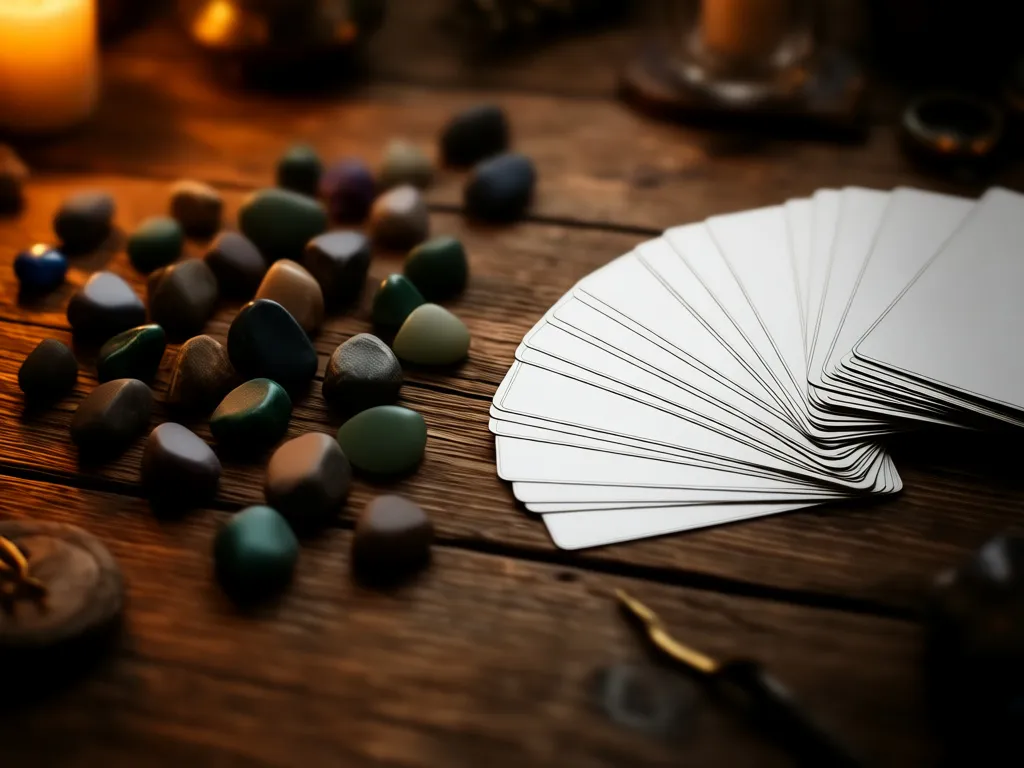
Fundamental Differences Between Rune Casting and Tarot
Rune casting and tarot reading are both ancient divination tools, yet they operate on distinct principles. Runes originate from the Germanic alphabets and are typically cast in small numbers, each rune representing a single concept, sound or energy. Tarot cards are part of a 78‑card deck split into Major and Minor Arcana, each card carrying layered imagery that can address multiple aspects of a situation. The contrast in size, visual complexity and historical context shapes how practitioners interpret the messages they receive.
How the Tools Shape the Reading
Rune Sets
Rune sets usually consist of 24 symbols, though some traditions expand the set with blank runes or bind‑runes. Because each rune carries a concise meaning, the reading often focuses on clarity and directness. The physical act of casting – shaking the stones and allowing them to fall randomly – is viewed as a way to let the subconscious select the most relevant symbols.
Tarot Decks
A tarot deck offers a broader visual language. The Major Arcana illustrate archetypal journeys, while the Minor Arcana reflect everyday experiences through suits that correspond to elements or aspects of life. Readers may draw a single card for a quick insight or lay out elaborate spreads that map out past, present and future influences. The richness of the artwork encourages intuitive association, allowing multiple layers of meaning to emerge in a single spread.
Choosing the Right Method for Specific Questions
Timing and Duration
Rune casting is often favored when a question requires a swift, focused answer. Because the symbols are fewer, a reading can be completed in minutes, making it suitable for daily guidance or on‑the‑spot decisions. Tarot spreads, especially those that involve several cards, tend to take longer, providing depth for issues that benefit from a comprehensive overview.
Complexity of the Issue
When the problem is narrow – for example, “Should I accept this job offer?” – a three‑rune cast can highlight the core forces at play: opportunity, risk and outcome. In contrast, a multifaceted situation such as a long‑term relationship conflict may profit from a tarot spread that explores emotional currents, external influences and potential future paths.
Personal Connection
Some practitioners feel a stronger resonance with the tactile simplicity of stones, while others are drawn to the symbolic storytelling of cards. The level of personal comfort influences how readily intuitive insights surface. Experimenting with both tools can reveal which medium aligns better with an individual’s inner rhythm.
Practical Guidelines for Selecting Between Runes and Tarot
Before beginning a session, consider the following criteria:
- Question scope – narrow questions often benefit from rune casting; broader inquiries may call for tarot.
- Time available – limited time favors a quick rune draw; ample time allows for detailed tarot spreads.
- Emotional tone – if you prefer direct language, choose runes; if you enjoy narrative nuance, select tarot.
By matching the nature of the query to the strengths of each system, you increase the likelihood of receiving a clear, actionable message.
For readers who want to deepen their understanding of rune symbolism, learn more about rune meanings. Those interested in structuring tarot layouts can explore tarot spread basics to enhance their practice.
Leave a Reply