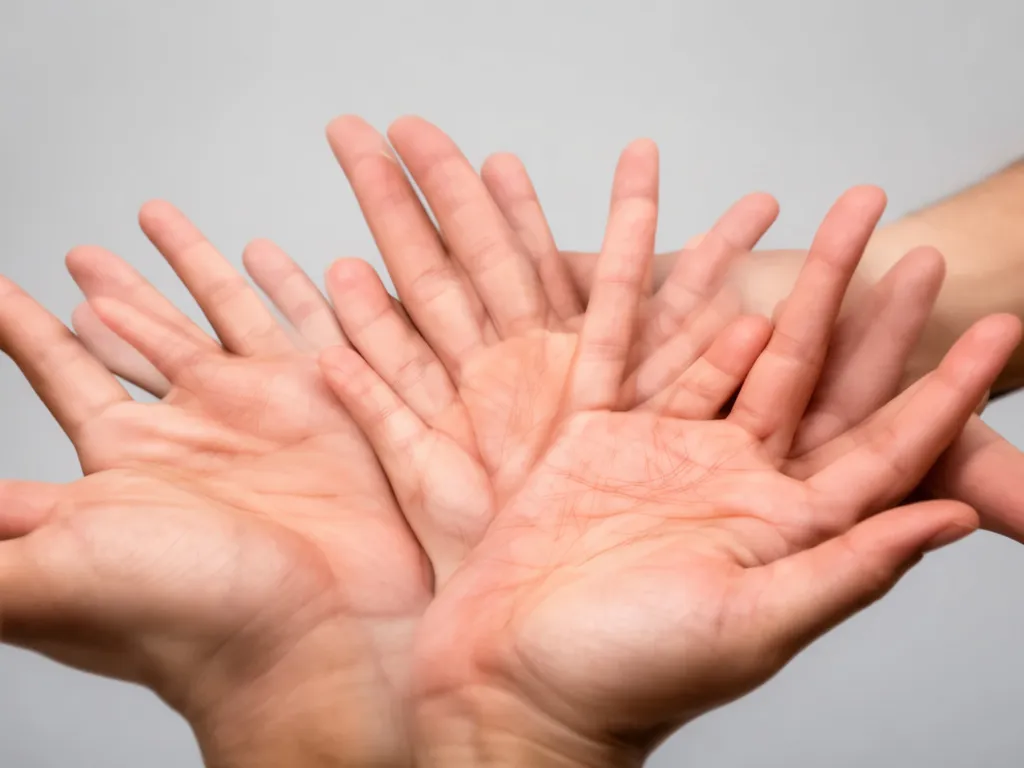
Overview of Palm Reading Basics
Palmistry offers a tangible way to explore personality traits and life themes. The practice relies on three visible features: the lines that run across the palm, the raised areas known as mounts, and the overall shape of the hand. For a beginner the most helpful approach is to look at each element one at a time, record observations, and compare them with trusted reference points.
Understanding the Major Lines
Heart Line
The heart line begins near the edge of the palm below the little finger and travels toward the index finger. Its length, depth and curvature provide clues about emotional expression. A deep, clear heart line that reaches the index finger often indicates openness in relationships, whereas a short line that stops early may suggest a more guarded emotional style. Gaps or branches can point to periods of emotional change.
Head Line
Starting beneath the index finger, the head line moves across the palm toward the edge near the thumb. This line reflects mental habits and learning style. A long, straight head line is associated with focused thinking, while a curved line can signal creativity. Multiple head lines or a broken line may indicate shifts in career or study interests.
Life Line
Contrary to popular myth, the life line does not predict lifespan. It arcs from the edge of the palm under the thumb and circles toward the wrist. Its depth and length are linked to vitality and how a person approaches life challenges. A deep, unbroken line suggests resilience; a faint line can mean a person is more adaptable to external influences.
Fate Line
Not everyone has a visible fate line. When present, it runs from the middle of the palm upward toward the middle finger. This line is associated with external events and career direction. A strong, straight fate line often points to a clear sense of purpose, while a fragmented line may reveal many changes in professional direction.
The Five Mounts and Their Significance
Mount of Venus
Located at the base of the thumb, the mount of Venus reflects love, attraction and social comfort. A pronounced mount indicates a person who enjoys companionship and values beauty. A flat mount can suggest a more independent or solitary nature.
Mount of Jupiter
Found under the index finger, this mount relates to ambition and authority. A well‑developed mount of Jupiter signals confidence and leadership potential. A low mount may point to modesty or a preference for collaborative environments.
Mount of Saturn
Positioned beneath the middle finger, the mount of Saturn is linked to discipline and responsibility. A firm mount suggests a structured approach to tasks, while a soft mount can indicate a relaxed attitude toward obligations.
Mount of Apollo
Also called the mount of the Sun, it rests under the ring finger. This area reveals creative drive and optimism. A raised mount signals a love of art, music or performance; a shallow mount may denote a practical focus.
Mount of Mercury
Located under the little finger, the mount of Mercury governs communication and adaptability. A prominent mount points to quick thinking and wit, whereas a diminished mount can indicate a preference for quiet reflection.
Hand Shapes and What They Reveal
Beyond lines and mounts, the overall shape of the hand offers insights into temperament. Traditional palmistry classifies hands into four elemental types.
Earth Hands
These hands have broad palms, short fingers and thick fingers. Earth hands are associated with practicality, stability and a methodical approach to goals. People with this shape often excel in tasks that require patience and attention to detail.
Air Hands
Air hands feature square palms, long fingers and prominent knuckles. The air type suggests intellectual curiosity, communication skills and flexibility. Individuals with air hands frequently thrive in environments that value ideas and dialogue.
Water Hands
Water hands possess long, slender palms and flexible fingers. This shape is linked to emotional sensitivity, intuition and artistic talent. Water‑handed people often find meaning in creative or healing pursuits.
Fire Hands
Fire hands are characterized by square palms, short fingers and a firm grip. This form reflects energy, confidence and a direct manner. Those with fire hands are typically driven, decisive and comfortable taking risks.
Practical Steps for a First Reading
Begin with a clean, well‑lit surface. Ask the person being read to relax the hand and place it palm up. Follow these steps in order.
- Observe the overall hand shape and note the elemental type.
- Examine each major line, recording length, depth and any branches.
- Identify the mounts, noting which are pronounced and which are flat.
- Compare the gathered details with a trusted reference chart to form an integrated picture.
Write down the observations in a notebook. Over time you will notice patterns that help you refine interpretations. Remember that palmistry is a tool for reflection, not a deterministic forecast.
Developing Confidence Over Time
Practice with many hands, both yours and others, to become comfortable with subtle variations. Review reputable palmistry texts and consider joining a study group where insights can be shared. As you gain experience, you will learn to sense when a line or mount carries particular significance for the individual rather than relying solely on generic meanings.
Leave a Reply