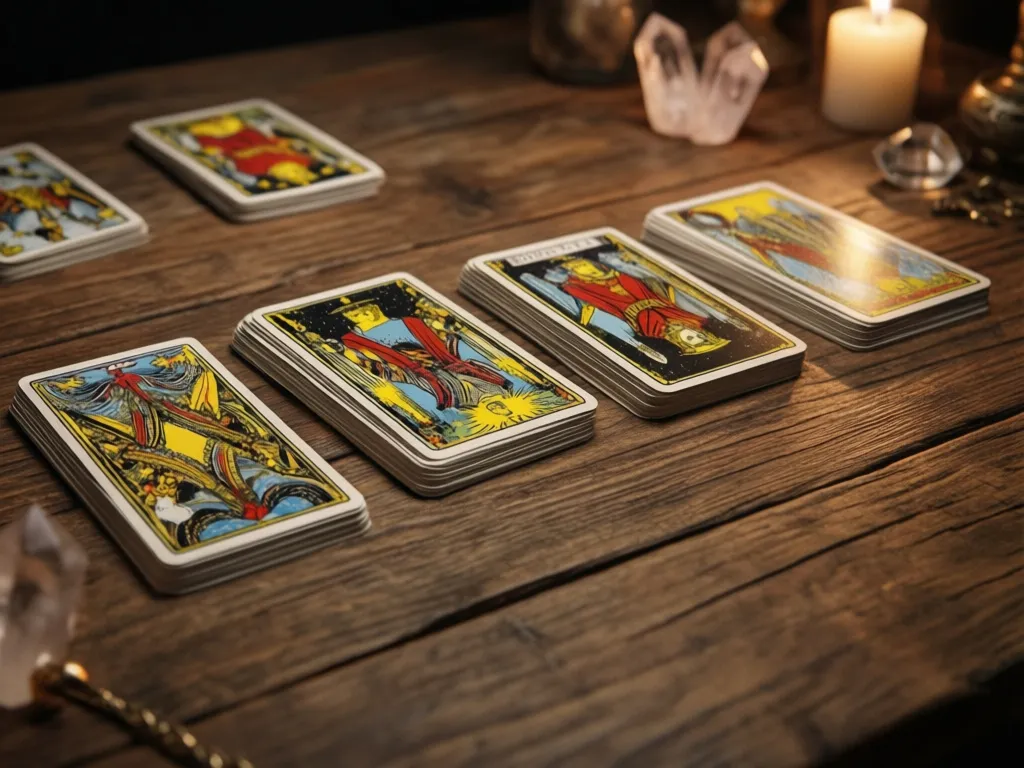
What Reversed Tarot Cards Represent
In a traditional tarot deck each card can appear upright or upside down. When a card lands reversed the symbolism does not disappear; it shifts. Most readers see the reversal as a modification of the card’s core meaning, often highlighting blockage, delay, internalisation, or a nuanced perspective. For example the Sun upright radiates confidence and success, while the Sun reversed may suggest hidden optimism or a temporary loss of clarity. The reversal does not automatically invert the meaning into its opposite; rather it adds depth and invites you to look at the situation from another angle.
Historical and Cultural Context
The practice of reading reversals grew out of the late nineteenth‑century occult revival where practitioners sought to extract more information from a limited set of cards. Earlier decks such as the Marseille were typically read only upright, reflecting the norms of their time. As tarot spread into English‑language mysticism, authors like A. E. Waite and later modern writers introduced the reversal as a practical tool for more detailed readings. Today the use of reversals varies widely among traditions, indicating that the choice is largely personal.
Core Principles for Interpreting Reversals
1. Consider Energy Flow A reversal can signal that the energy of the card is moving inward rather than outward. An upright Queen of Cups expresses outward compassion, whereas a reversed Queen may suggest that compassion is being turned inward, perhaps as self‑care or emotional withdrawal.
2. Look for Blockages or Delays Many readers associate reversals with obstacles. The Knight of Wands upright pushes forward with enthusiasm; reversed, it may indicate hesitation, a loss of momentum, or misdirected ambition.
3. Explore Alternative Perspectives Some reversals reveal the hidden side of a situation. The Ten of Pentacles upright celebrates material security; reversed, it might uncover family tensions, inheritance disputes, or an over‑reliance on wealth for identity.
When Upright‑Only Readings Make Sense
Although reversals add nuance, there are legitimate reasons to limit a reading to upright cards. One reason is simplicity. Beginners often feel overwhelmed by the extra layer of interpretation. Sticking to upright meanings allows them to focus on the fundamental symbolism and build confidence. Another reason is a philosophical preference. Some traditions view the tarot as a mirror of universal archetypes that exist in a single, pure form; the upside‑down position is seen as an artifact of the physical shuffle rather than a meaningful shift.
A third reason concerns the type of question asked. When a querent seeks clear, actionable advice, an upright‑only approach can reduce ambiguity. For instance a client asking “What steps should I take to launch my project?” may benefit from a straightforward reading that highlights opportunities without the distraction of potential setbacks represented by reversals.
Decision Criteria for Choosing an Approach
To decide whether to include reversals, examine your own practice and the needs of the querent. Ask yourself the following:
Is the querent comfortable with complex symbolism? If they prefer a concise answer, upright‑only may be kinder.
Does the spread already contain many cards? Adding reversal meanings can increase cognitive load, especially in large Celtic Cross layouts.
Are you comfortable interpreting nuanced themes? Mastery of reversal language takes time; if you feel uncertain, limiting to upright can preserve accuracy.
When you choose to use reversals, make a ritual of noting the orientation at the moment you lay the card. Some readers place a small token on reversed cards to keep the distinction clear throughout the reading.
Practical Techniques for Managing Reversals
Even if you decide to read reversals, you can keep the process organized. One method is to assign each reversal a specific modifier such as “delay” or “inner”. When the card appears reversed, mentally attach the modifier before interpreting the core meaning. This creates a consistent pattern that reduces the chance of ad‑hoc guesses.
Another technique is to use a “mirror” rule. Imagine the upright card as a bright image; when reversed, view the image as a reflection in water, where details are still present but may appear softer or slightly distorted. This visual cue can help you stay connected to the original symbolism while acknowledging the shift.
Examples of Reversal Interpretations in Common Spreads
Consider a three‑card past‑present‑future spread about career development. The past card is the Eight of Pentacles upright, indicating diligent effort. The present card is the Five of Wands reversed, suggesting that competition has subsided and the querent can focus on collaboration rather than conflict. The future card is the Ace of Cups upright, promising a new emotional fulfillment, perhaps through a project that aligns with personal values. By reading the reversed Five of Wands as a calming of external pressure, the narrative becomes coherent and optimistic.
In a relationship spread the Lovers upright can denote a harmonious partnership, while the Lovers reversed may point to misalignment of values or a need to examine personal choices before committing. The nuance provides the querent with an actionable insight: rather than assuming the relationship is doomed, the reversal invites introspection.
Balancing Intuition and Systematic Study
Reversal meanings are not a fixed dictionary; they evolve with each reader’s intuition. While many books list standard modifiers, the best practice is to let personal experience shape the interpretation. Keep a journal of your readings, noting how reversals felt in each context. Over time patterns will emerge, and you will develop a personal vocabulary that feels authentic.
At the same time, grounding your approach in reputable sources ensures you are not drifting into unfounded speculation. Referencing established tarot scholars and community guides can provide a solid foundation upon which your intuition can build.
Integrating the Choice into Your Reading Workflow
Before you begin a session, decide whether you will honor reversals. State this intention out loud or write it on a sheet of paper. This clarification signals to the cards and to yourself the parameters of the dialogue. If you later feel that a reversed card is pulling too much weight, you can always revisit the reading with an upright‑only lens, comparing the two perspectives.
Remember that the tarot is a flexible tool. The ability to shift between upright‑only and reversal‑inclusive readings is a sign of a mature practitioner who respects both the structure of the deck and the fluid nature of human experience.
Leave a Reply