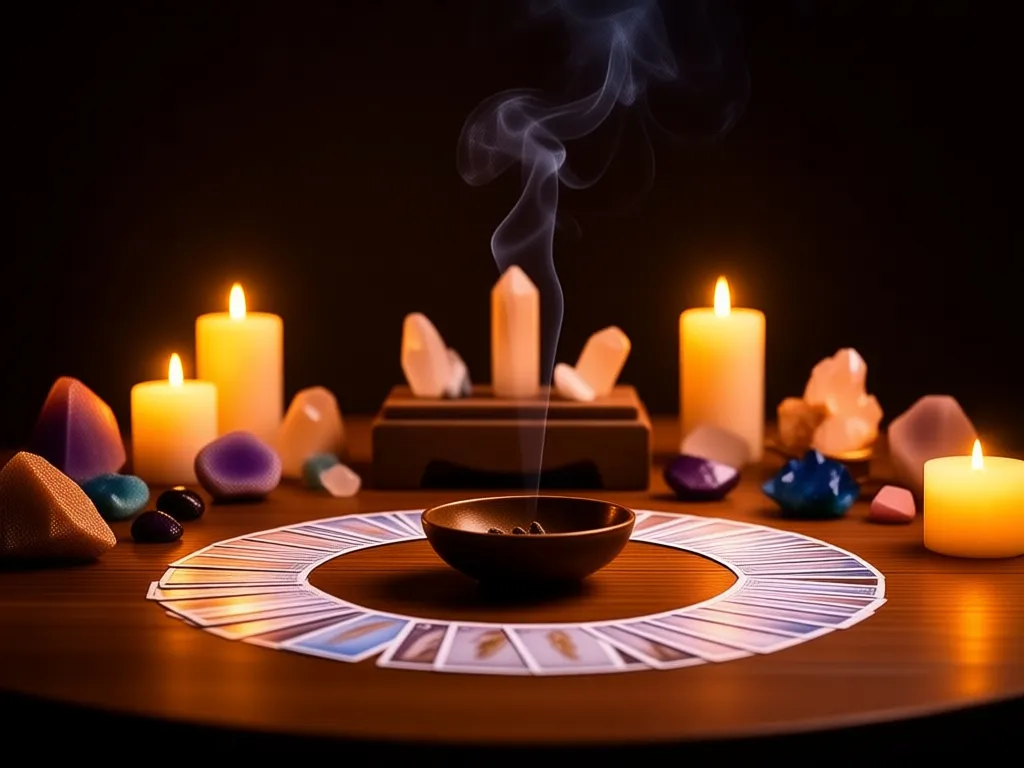
Defining a Sacred Space
A sacred space is a designated area where intention, focus and energy are aligned to support magical work or divination. It is not merely a clean room; it is a container that holds intention, filters distraction and invites the subtle forces needed for clear guidance.
Choosing the Physical Location
Select a spot that feels comfortable and can be accessed regularly. A quiet corner of a bedroom, a small alcove in a living area or a dedicated room all work if they are free from heavy traffic. The space should be large enough for the tools you plan to use and allow room to move without feeling cramped.
Flooring and Seating
Natural flooring such as wood or stone enhances grounding. If you have carpet, place a simple mat or rug to define the boundary. Choose a seat that supports a relaxed posture – a sturdy chair, a floor cushion or a low bench can serve the purpose.
Defining Boundaries
Mark the edges of the space with visual cues. This can be a thin line of tape, a row of candles, a string of beads or a small arrangement of stones. The boundary signals to the mind that the area is set apart for sacred work.
Clearing the Energy
Before any ritual, it is important to remove lingering residual energy. This can be done through several simple methods that do not require elaborate tools.
Breath and Sound
Stand at the center, inhale deeply, and exhale while visualising stale air leaving the room. Follow with a short chant, a bell tone or a hand drum beat to break up static patterns.
Smoke and Light
Burning sage, cedar or sweetgrass for a few minutes and moving the smoke around the perimeter works as a traditional clearing technique. If you prefer a smoke‑free method, sweep a beam of sunlight across the floor and walls, allowing the light to reset the space.
Introducing Symbolic Elements
Symbols act as visual anchors for intention. Choose items that resonate with your practice and the type of divination you perform.
Altars and Small Tables
Place a low table or a sturdy box at the front of the space. This becomes the altar where you arrange tools, talismans or images that represent the elements you work with.
Elemental Representations
Include a stone for earth, a bowl of water, a feather for air and a candle for fire. These four items create a balanced microcosm and remind the practitioner of basic energetic principles.
Sensory Enhancement
The senses shape the atmosphere and help sustain focus. Adjust lighting, scent and sound to suit the tone of your work.
Lighting
Soft, warm lighting encourages relaxation while brighter light supports alertness. Use candles, low‑watt lamps or natural daylight as needed. Dim switches or candles with protective colours such as white or blue can be useful for night sessions.
Aromas
Essential oils or dried herbs like lavender, rosemary or frankincense can be diffused or placed on a small dish. Choose aromas that you associate with clarity, protection or grounding.
Background Sound
Gentle instrumental music, ocean waves or a steady drumming pattern can mask unwanted noises. Keep the volume low enough that it becomes a subtle backdrop rather than a distraction.
Organising Tools for Divination
Each form of divination has specific requirements. Arranging them thoughtfully reduces setup time and improves flow.
Tarot and Oracle Decks
Store the decks in a cloth pouch or a small box on the altar. Place a clean cloth beneath them to designate a reading surface.
Pendulums and Dowsing Rods
Hang them from a hook or lay them on a velvet pad so they remain still until needed.
Runes, Bones or Other Castables
Use a shallow bowl or a felted mat as a casting area. Keep the pieces together in a pouch when not in use.
Ritual Preparation Routine
Develop a brief routine that you repeat before each session. Consistency signals the mind that the space is ready for work.
Start by clearing the energy, then light the candle, arrange the tools, and state a short affirmation such as “This space is protected and open to clear guidance.” This sequence creates a mental and energetic pathway that eases entry into the practice.
Adapting the Space for Different Traditions
While the core principles remain the same, cultural or magical traditions may call for specific adjustments.
Wiccan or Pagan Paths
Circle the space with salt, herbs or a rope before beginning a rite. Include a representation of the deity you honor on the altar.
Shamanic Work
Incorporate a drum, a rattling instrument or a smudging feather. The space may be oriented toward the cardinal directions with markers at each side.
Modern Psychological Divination
Focus on comfort and personal symbolism. Use journal pages, a favorite sketchbook or a digital tablet as part of the setup.
Maintaining the Sacred Space
Regular upkeep ensures the area stays energetically fresh and physically tidy.
Once a week, repeat an energy clearing ritual and dust the surfaces. Replace candles and refresh aromatics. Review the altar items; remove anything that no longer serves your intention.
Periodically assess whether the layout still feels supportive. Small changes such as repositioning a stone or adding a new symbol can reinvigorate the space and keep your practice evolving.
Integrating the Space Into Daily Life
Even outside formal sessions, the space can act as a reminder of your path. Sit for a few minutes at the altar to set a micro‑intention for the day, or simply breathe deeply within the boundary to centre yourself before a meeting or a creative task.
Leave a Reply